
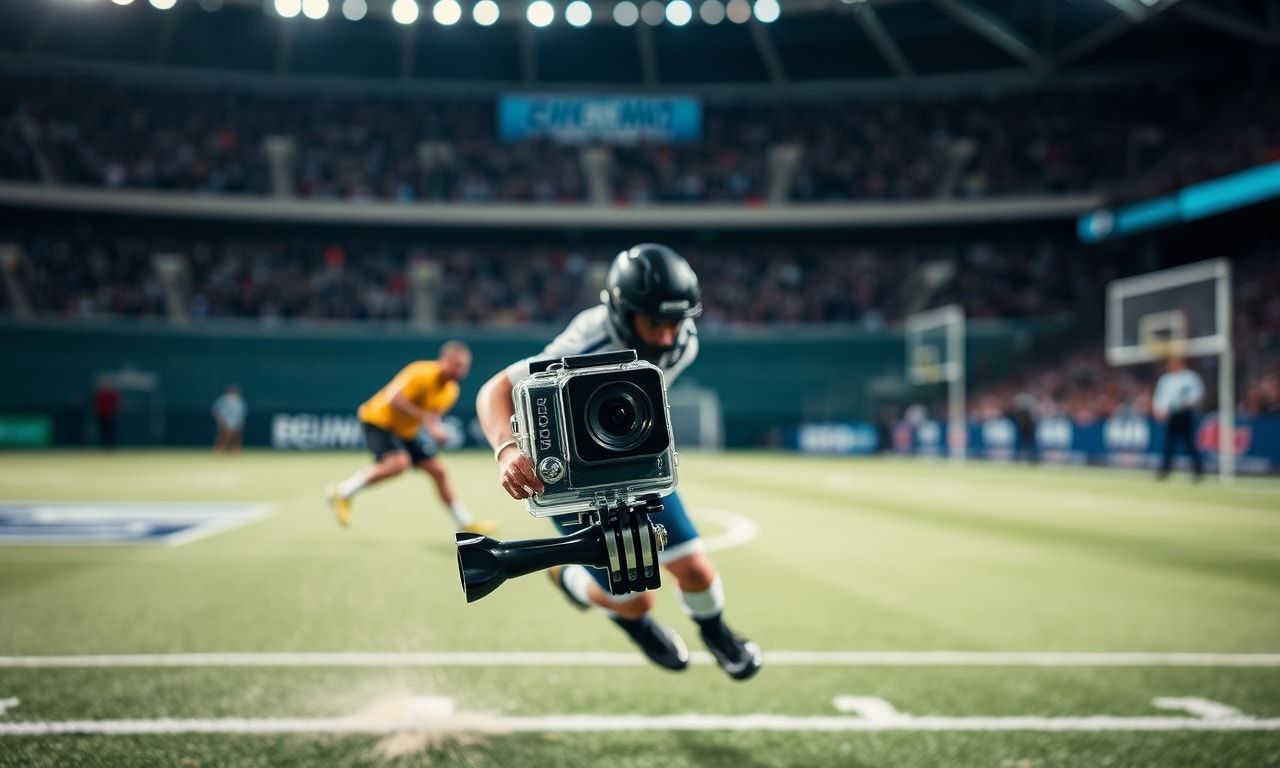
The Evolution of Sports Broadcasting
The world of sports has always been at the forefront of technological innovation. From the first radio broadcasts to the high-definition television screens of today, the way we experience sports has evolved dramatically. One of the most significant advancements in recent years has been the integration of action cameras into sports broadcasting and analysis. These compact, high-definition cameras have revolutionized the way athletes, coaches, and fans view and understand the game.
Action cameras, such as those produced by GoPro, have become indispensable tools for athletes and sports enthusiasts alike. Their ability to capture high-quality footage in extreme conditions makes them perfect for sports that require agility, speed, and precision. Whether it’s a skier navigating a treacherous slope or a surfer riding a massive wave, action cameras provide a unique perspective that traditional cameras simply cannot match.
The Role of Action Cameras in Athlete Training
One of the most impactful uses of action cameras in sports is in athlete training. Coaches and athletes can review footage from practice sessions to identify areas for improvement. The first-person perspective offered by action cameras allows athletes to see exactly what their movements look like from their own point of view. This can be particularly useful in sports like skiing, snowboarding, and surfing, where the athlete’s body position and technique are crucial to performance.
For example, a soccer player might use an action camera to analyze their dribbling technique. By wearing the camera on their helmet or chest, they can review their footwork and body positioning in real-time. This immediate feedback can help them make adjustments and improve their skills more quickly. Similarly, a basketball player might use an action camera to study their shooting form, ensuring that they are following through correctly and maintaining proper balance.
The Impact on Fan Engagement
Action cameras have also transformed the way fans engage with sports. The immersive, first-person perspective offered by these cameras allows viewers to feel as if they are part of the action. This has led to a rise in popularity for sports content on platforms like YouTube and social media, where fans can watch highlights and behind-the-scenes footage from their favorite athletes.
For instance, a fan of extreme sports might enjoy watching a video of a professional skier navigating a challenging course, complete with the skier’s heart rate and other biometric data displayed on the screen. This type of content not only entertains but also educates viewers about the physical and mental demands of the sport. It’s a win-win situation for both the athletes and the fans.
Action Cameras and Sports Broadcasting
The integration of action cameras into sports broadcasting has also had a significant impact on the way games and events are covered. Broadcasters can now offer viewers multiple angles and perspectives, providing a more comprehensive and engaging viewing experience. This is particularly useful in sports like football, basketball, and soccer, where the action can be fast-paced and difficult to follow from a single camera angle.
For example, during a football game, broadcasters might use action cameras mounted on the goalposts or on the players themselves to provide close-up shots of the action. This allows viewers to see the game from a completely new perspective, adding an extra layer of excitement and engagement. Similarly, in a basketball game, action cameras might be used to capture the players’ reactions and interactions on the court, providing a more intimate and personal view of the game.
How to Stay Connected with Sports from Anywhere
For sports enthusiasts who live abroad or travel frequently, staying connected with their favorite teams and events can be a challenge. However, with the right tools and resources, it’s possible to enjoy live sports coverage from anywhere in the world. One such resource is cómo ver televisión mexicana en vivo desde el extranjero, which provides access to a wide range of sports content, including live games, highlights, and analysis. This can be particularly useful for fans of Mexican sports, who want to stay up-to-date on the latest news and events.
In addition to online streaming services, many sports leagues and teams now offer their own apps and websites, where fans can access live coverage, scores, and statistics. These platforms often provide a more personalized and interactive experience, allowing fans to customize their viewing preferences and receive real-time updates on their favorite teams and players.
The Future of Action Cameras in Sports
As technology continues to advance, the role of action cameras in sports is likely to become even more significant. Future developments may include the integration of artificial intelligence and virtual reality, which could provide even more immersive and interactive viewing experiences. For example, AI-powered action cameras could automatically track and analyze an athlete’s movements, providing real-time feedback and suggestions for improvement.
Virtual reality, on the other hand, could allow viewers to experience the game from the perspective of their favorite player, creating a truly immersive and engaging experience. This could be particularly useful for fans of extreme sports, who want to feel as if they are part of the action. Additionally, virtual reality could be used to create interactive training programs for athletes, allowing them to practice and refine their skills in a virtual environment.
In conclusion, action cameras have had a profound impact on the world of sports, transforming the way athletes train, fans engage, and broadcasters cover games and events. As technology continues to evolve, the possibilities for action cameras in sports are virtually limitless. Whether you’re an athlete, a coach, or a fan, there’s no denying that action cameras have changed the game for the better.