
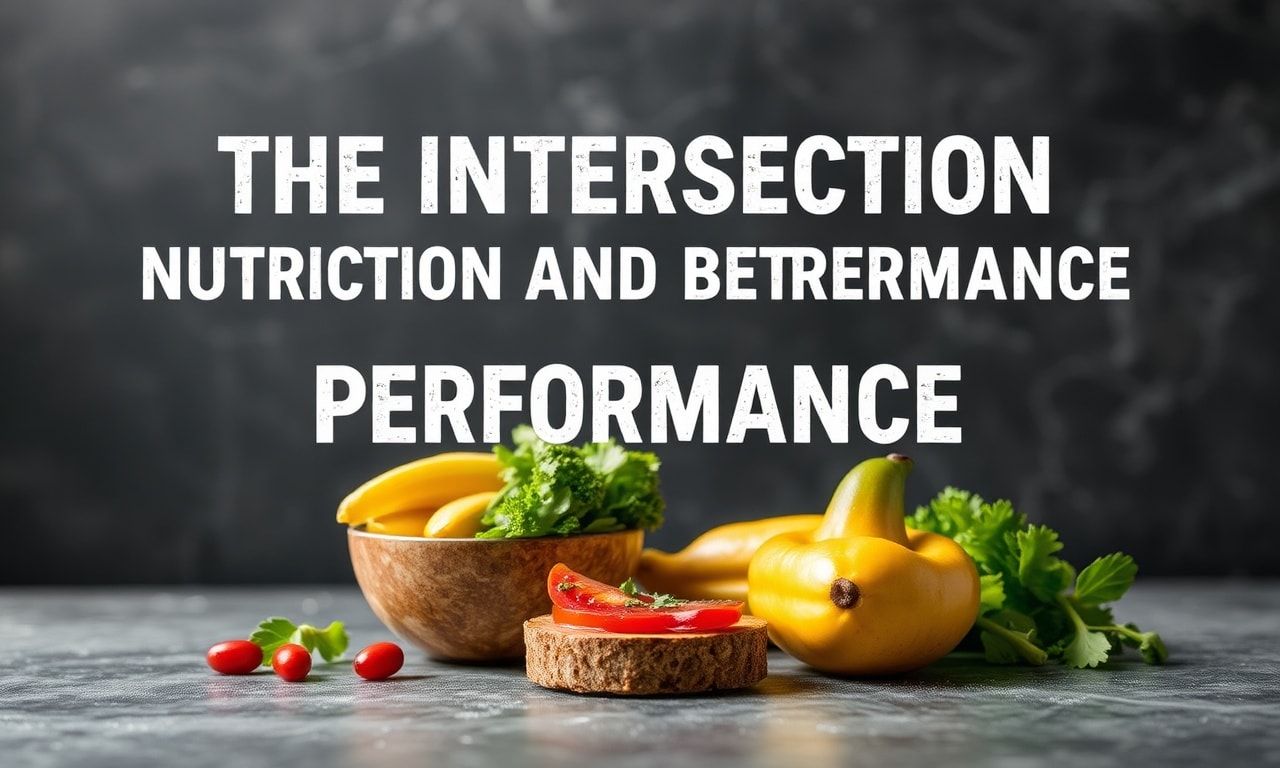
The Power of Proper Nutrition in Sports
In the world of sports, athletes are constantly pushing their bodies to the limit. Whether you’re a professional athlete or a fitness enthusiast, the food you consume plays a pivotal role in your performance, recovery, and overall health. Nutrition is not just about eating to survive; it’s about strategically fueling your body to enhance athletic performance and achieve your goals.
Understanding the importance of nutrition can give you a competitive edge. It’s not just about what you eat, but when you eat, how much you eat, and the quality of the food you consume. This article will delve into the fascinating world of sports nutrition, exploring how different foods can impact your performance and recovery.
The Role of Macronutrients in Athletic Performance
Macronutrients—carbohydrates, proteins, and fats—are the cornerstone of any athlete’s diet. Each plays a unique role in fueling your body and aiding recovery.
- Carbohydrates: Often misunderstood, carbohydrates are your body’s primary source of energy. They are essential for high-intensity activities and endurance sports. Foods rich in complex carbohydrates, like whole grains, fruits, and vegetables, provide sustained energy and are crucial for athletes.
- Proteins: Proteins are the building blocks of your body. They are vital for muscle repair and growth. Athletes need more protein than the average person to support muscle recovery and growth. Lean meats, fish, eggs, dairy, and plant-based proteins are excellent sources.
- Fats: Healthy fats are essential for hormone regulation, joint health, and overall well-being. Avocados, nuts, seeds, and fatty fish are great sources of healthy fats that can support athletic performance.
The Importance of Hydration
Hydration is often overlooked but is critical for optimal performance. Dehydration can lead to fatigue, reduced concentration, and decreased physical performance. Athletes should aim to drink water regularly throughout the day and increase their intake during intense training sessions or competitions.
Electrolytes, such as sodium, potassium, and magnesium, are also crucial for maintaining fluid balance and supporting muscle function. Sports drinks can be beneficial during prolonged exercise, but for most athletes, water is sufficient for hydration needs.
Nutrition for Recovery
Recovery is just as important as the workout itself. Proper nutrition can help your body repair and rebuild after intense exercise. Consuming a balanced meal or snack within 30-60 minutes post-workout can enhance recovery and prepare your body for the next session.
A combination of carbohydrates and proteins is ideal for post-workout nutrition. Carbohydrates replenish glycogen stores, while proteins support muscle repair. Foods like bananas, yogurt, and a handful of nuts can be a great post-workout snack.
Additionally, incorporating best fresh herbs for immune system support into your diet can boost your immune system, helping you stay healthy and perform at your best. Herbs like turmeric, ginger, and garlic have anti-inflammatory properties that can aid in recovery and overall health.
Meal Timing and Pre-Workout Nutrition
Timing your meals strategically can enhance your performance and energy levels. Eating a balanced meal 2-3 hours before exercise can provide the necessary fuel for your workout. This meal should include a mix of carbohydrates, proteins, and healthy fats.
If you’re short on time, a light snack 30-60 minutes before exercise can also be beneficial. Opt for easily digestible foods like a banana, a handful of nuts, or a smoothie. Avoid heavy, greasy, or high-fiber foods before exercise, as they can cause discomfort and sluggishness.
Supplements: Friend or Foe?
Supplements can be a helpful addition to an athlete’s diet, but they should never replace whole foods. While supplements like protein powders, creatine, and BCAAs can support athletic performance, they should be used judiciously and under the guidance of a healthcare professional.
Whole foods provide a wide range of nutrients that work synergistically to support health and performance. Supplements can fill in the gaps but should not be relied upon as the primary source of nutrition. Always prioritize a balanced diet rich in whole foods.
In conclusion, nutrition is a powerful tool that can significantly impact your athletic performance. By understanding the role of macronutrients, staying hydrated, focusing on recovery, and timing your meals strategically, you can fuel your body for success. Incorporating best fresh herbs for immune system support into your diet can further enhance your overall health and performance. Remember, food is fuel, and what you eat can make all the difference in your athletic journey.
Ever wondered how your favorite athletes manage their fortunes? Dive into the fascinating world of sports finances with athletes’ wealth management strategies and gain insights that might just inspire your own financial game plan.
As athletes and teams increasingly rely on data and technology to gain a competitive edge, it’s fascinating to see how fintech is transforming online banking; explore the convergence of finance and technology in our latest article, revolutionizing digital finance.
Take a break from the game and dive into the world of high-stakes finance with our latest feature on algorithmic trading in Forex, where technology meets the thrill of the market.