
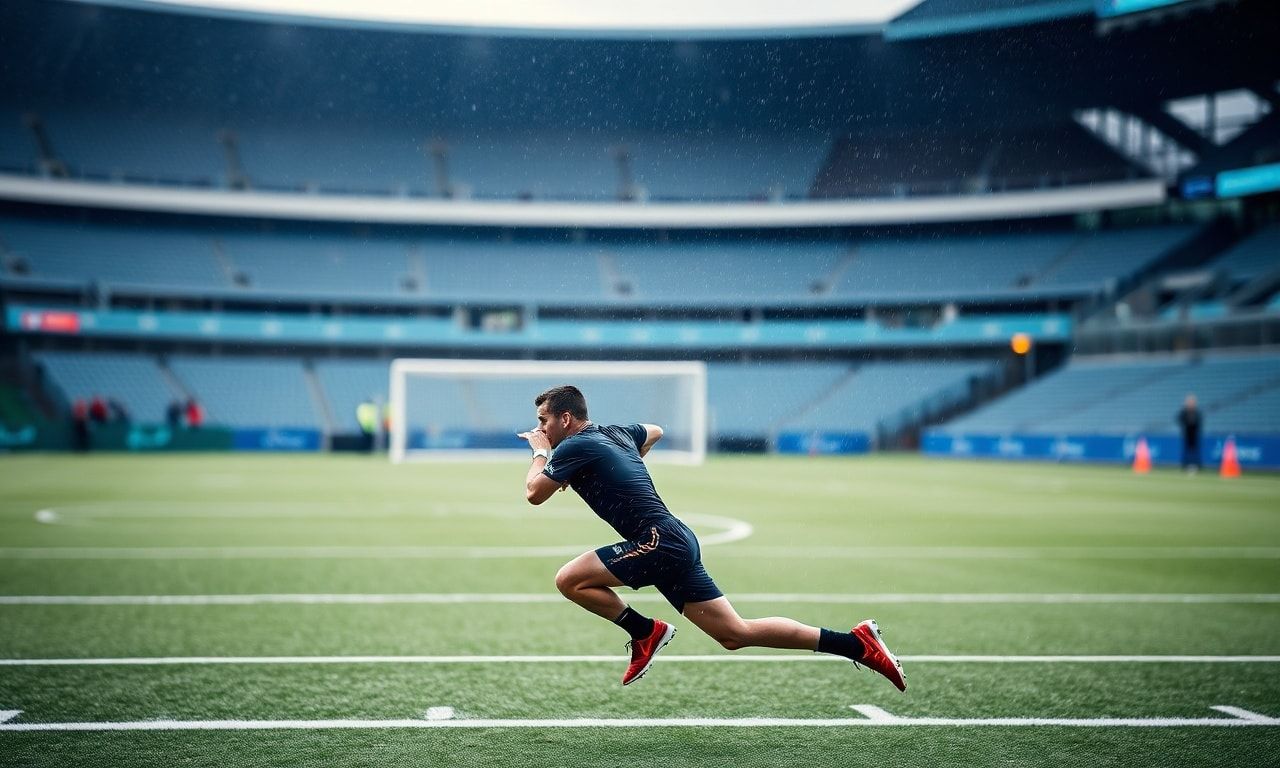
The Intersection of Sports and Weather
In the world of sports, every advantage counts. Athletes and teams constantly seek ways to optimize their performance, and one often overlooked factor is the weather. The conditions under which athletes compete can significantly influence their performance, strategy, and even the outcome of the game. Understanding and adapting to weather conditions is a critical aspect of modern sports.
From the sweltering heat of an August soccer match to the biting cold of a January football game, weather conditions can present unique challenges. Athletes must be prepared to adapt to these conditions to perform at their best. This article explores how different weather conditions affect sports performance and how athletes can use climate data to their advantage.
The Impact of Heat on Athletic Performance
High temperatures can have a profound impact on athletic performance. When the body is exposed to extreme heat, it must work harder to cool itself down, which can lead to dehydration, fatigue, and even heat stroke. Athletes competing in hot conditions must be mindful of their hydration levels and take regular breaks to cool down.
In sports like marathon running, cycling, and soccer, heat can be a significant factor. Athletes often train in hot conditions to acclimatize their bodies, which can improve their performance on game day. Additionally, wearing lightweight, breathable clothing and using cooling vests can help athletes manage the heat more effectively.
The Challenges of Cold Weather Sports
On the other end of the spectrum, cold weather presents its own set of challenges. In sports like skiing, ice hockey, and winter football, athletes must contend with freezing temperatures, wind chill, and slippery surfaces. These conditions can affect an athlete’s agility, strength, and endurance, making it crucial to prepare accordingly.
Wearing appropriate gear is essential for athletes competing in cold weather. Layered clothing, thermal underwear, and insulated gloves can help athletes stay warm and perform at their best. Additionally, athletes should warm up thoroughly before competing to prevent injuries and improve their performance.
The Role of Wind in Sports Performance
Wind can have a significant impact on sports performance, particularly in outdoor sports like golf, cycling, and sailing. Wind can affect an athlete’s speed, accuracy, and endurance, making it crucial to understand and adapt to these conditions. Athletes can use wind data to adjust their strategy and improve their performance.
For example, golfers can use wind data to adjust their club selection and swing technique, while cyclists can use wind data to optimize their pacing and drafting strategy. By understanding how wind affects their sport, athletes can make informed decisions that improve their performance.
Rain and Its Impact on Sports
Rain can have a significant impact on sports performance, particularly in sports like soccer, tennis, and baseball. Wet conditions can make surfaces slippery, affecting an athlete’s grip, balance, and speed. Additionally, rain can affect visibility, making it harder for athletes to see and react to their surroundings.
Athletes competing in wet conditions should wear appropriate gear, such as waterproof jackets, non-slip shoes, and water-resistant clothing. Additionally, athletes should adjust their strategy to account for the wet conditions, such as playing a more defensive game in soccer or using a heavier ball in baseball.
Using Climate Data to Optimize Performance
In today’s data-driven world, athletes and teams are increasingly using climate data to optimize their performance. By analyzing historical weather patterns and real-time weather data, athletes can make informed decisions about their training, strategy, and gear. For example, a marathon runner might use climate data to determine the best time of day to train or compete, while a soccer team might use climate data to adjust their game plan based on the expected weather conditions.
By leveraging climate data, athletes can gain a competitive edge and improve their performance. Whether it’s adjusting their training schedule, selecting the right gear, or refining their strategy, understanding and adapting to weather conditions is a critical aspect of modern sports.
Conclusion
The impact of weather on sports performance is undeniable. From the sweltering heat of summer to the biting cold of winter, weather conditions can present unique challenges for athletes. By understanding and adapting to these conditions, athletes can optimize their performance and gain a competitive edge. Whether it’s using climate data to inform their strategy, wearing appropriate gear, or adjusting their training schedule, athletes who embrace the challenges of weather will be better prepared to thrive in any condition.