
The Intersection of Sports and Technology
The world of sports is constantly evolving, driven by innovation and technology. From advanced training techniques to cutting-edge equipment, athletes and teams are always looking for ways to gain a competitive edge. One of the most exciting developments in recent years has been the rise of action cameras. These compact, high-definition cameras have revolutionized the way we capture and analyze sports performances, providing unprecedented insights and enhancing the viewing experience for fans worldwide.
The Rise of Action Cameras in Sports
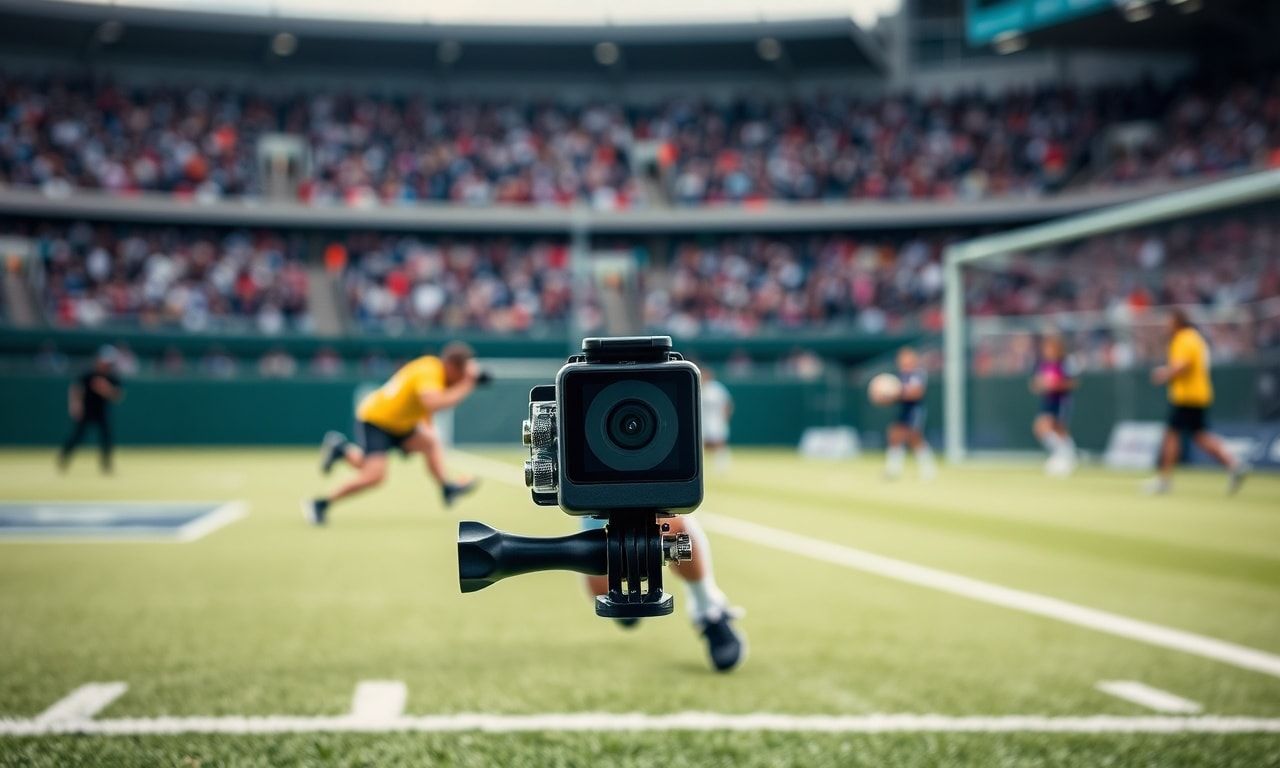
Action cameras, such as those produced by GoPro, have become ubiquitous in the sports world. Their small size, durability, and high-quality video capabilities make them ideal for capturing dynamic and high-speed activities. Whether it’s a surfer riding a massive wave, a skier navigating a treacherous slope, or a football player making a crucial tackle, action cameras provide a unique perspective that traditional cameras simply cannot match.
These cameras are not only used by professional athletes but also by amateurs and enthusiasts who want to document their adventures. The ability to mount these cameras on helmets, handlebars, or even the body itself allows for a first-person view that immerses the viewer in the action. This perspective has proven invaluable for coaching, analysis, and fan engagement.
Enhancing Training and Performance
One of the most significant impacts of action cameras in sports is their role in training and performance analysis. Coaches and athletes can review footage to identify areas for improvement, refine techniques, and develop strategies. For example, a basketball coach might use action camera footage to analyze a player’s shooting form, while a soccer coach might review a game to understand the team’s defensive positioning.
Action cameras also provide real-time feedback, allowing athletes to make adjustments on the fly. This immediate feedback loop can be crucial in high-pressure situations, such as during a championship game or a critical training session. The ability to see oneself in action from multiple angles can help athletes fine-tune their movements and reactions, leading to improved performance.
Improving Fan Engagement
For sports fans, action cameras offer a thrilling and immersive experience. The first-person perspective allows viewers to feel as if they are part of the action, whether they are watching a live broadcast or a highlight reel. This level of engagement can enhance the overall enjoyment of the sport and create a deeper connection between fans and athletes.
Many sports organizations and broadcasters have recognized the potential of action cameras and have integrated them into their coverage. For instance, during a football match, cameras mounted on the goalposts or the referee’s helmet can provide unique angles that traditional cameras cannot. Similarly, in motorsports, cameras attached to the cars can give viewers a driver’s-eye view of the race, adding an extra layer of excitement.
Innovations and Future Trends
The technology behind action cameras continues to evolve, with new features and capabilities being introduced regularly. High-resolution video, slow-motion playback, and advanced stabilization are just a few of the innovations that have enhanced the quality of sports footage. Additionally, the integration of action cameras with other technologies, such as virtual reality (VR) and augmented reality (AR), is opening up new possibilities for sports broadcasting and fan engagement.
Looking ahead, the future of action cameras in sports is bright. As technology continues to advance, we can expect even more immersive and interactive experiences for both athletes and fans. The ability to capture and analyze sports performances in greater detail will undoubtedly lead to new insights and innovations, further pushing the boundaries of what is possible in the world of sports.
The Role of Action Cameras in Sports Analysis
Action cameras have become an essential tool for sports analysis, providing detailed footage that can be used to dissect every aspect of a game or performance. For instance, in rugby, coaches can use action camera footage to analyze the effectiveness of a scrum or the positioning of players during a lineout. Similarly, in tennis, players can review their serves and volleys to identify areas for improvement.
One notable example of the impact of action cameras on sports analysis is the work done by Dublin sports news analysis. By utilizing action camera footage, analysts can provide in-depth insights into team strategies, player performances, and key moments in a game. This level of analysis not only helps teams improve their performance but also enhances the viewing experience for fans who want to understand the intricacies of the sport.
Conclusion
The evolution of sports technology, particularly the rise of action cameras, has transformed the way we capture, analyze, and engage with sports. From enhancing training and performance to improving fan engagement, action cameras have become an indispensable tool in the world of sports. As technology continues to advance, the possibilities for innovation and improvement are endless, promising an exciting future for athletes, coaches, and fans alike.
Dive into the fascinating journey of athletics and team dynamics by exploring sports’ global transformation, a must-read for any fitness and sports enthusiast.
Ever wondered how football became the world’s most beloved sport? Discover the fascinating journey in football’s global rise, from humble beginnings to today’s thrilling spectacle.
To elevate your team’s performance to new heights, dive into strategies for success in leadership and discover how top-tier management can transform your game.