

8 min read · Updated: 2026-10-15
Athletic readers want gear that keeps up with sprint sessions, trail runs, and team workouts. This guide compares action cameras in practical terms, helping you choose models that survive rough use, capture fast action, and fit your budget. You’ll get straightforward criteria, concrete examples, and a decision path tailored for athletes and coaches alike.
Whether you shoot highlight reels, coaching clips, or live-stream practices, the right camera can change how you train and review performances. We focus on durability, stabilization, battery life, and ease of use, not hype. By the end, you’ll know what to prioritize and how to test options before buying.
To keep this useful for readers with real-world needs, we’ll map choices to common sports scenarios—training rooms, outdoor terrains, and gym floors—so you can match features to the kinds of action you actually record.
- Choose an action camera with sturdy stabilization and long battery life for outdoor workouts. Compare models using a simple grid of specs that matter to your sport. Test in gym and field conditions before buying. Consider budget options first, then plan for future upgrades.
- Check compatibility with mounts and existing gear to save money. Prioritize practical features over hype, and test footage from your sport’s specific drills.
- Look for weather sealing, reliable autofocus, and a robust ecosystem of accessories. Rent and borrow when possible to validate real-world performance before committing.
- A clear criterion list helps you avoid impulse buys. Focus on stabilization, frame rates, durability, and ease of use across environments.
Basics and comparison
What to look for first
Start with core capabilities: resolution, frame rate, and stabilization. For fast movements, look for at least 4K at 60fps and gyro-based stabilization. Consider field of view as well: wider angles catch more action but can distort depth. Iowa classified ads
- Identify your primary use (gym, trail, or water)
- Check stabilization and frame rate
- Assess battery and memory needs
- Test compatibility with existing gear
Compare battery life and memory options since sessions vary in length. Look for removable batteries or large capacity cells for longer shoots. Check ruggedness ratings to know if the device handles drops and moisture.
Ask about compatibility with mounts and accessories you already own, such as chest straps or head mounts. A flexible ecosystem saves money and time when you switch activities.
- 4K/60fps performance
- Stable footage under motion
- Rugged, weather-sealed design
- Strong accessory ecosystem
What users actually need
Athletes focus on dependable stabilization and reliable autofocus during bursts. A camera that excels in dim gym lighting or bright sun without frequent adjustments saves time in editing. Look for review footage that mirrors your sport to gauge real-world performance.
Durability matters: splashes, sweat, and occasional drops are common in practice. Choose devices with weather sealing or robust housings and simple control layouts you won’t fumble during a rep.
Value comes from long-term use. A compact, modular camera that fits into your current training setup reduces total cost and effort over a season.
- Reliable stabilization under sprinting
- Good autofocus in varied light
- Durable builds fit rough environments
- Long-term value over gimmicks
How to compare models
Side-by-side criteria
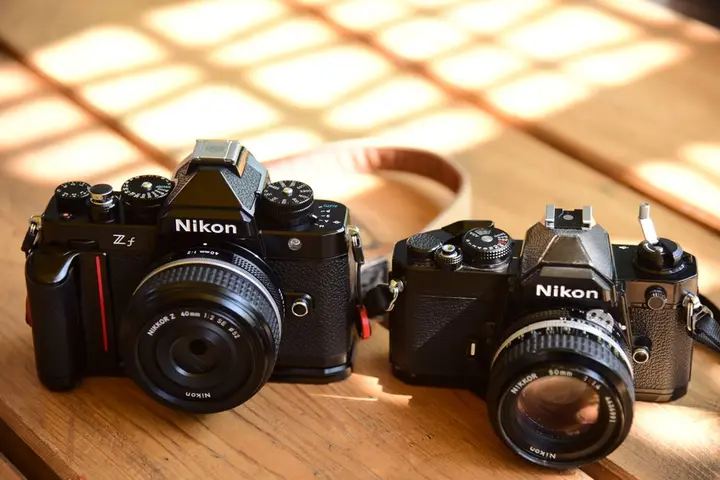
Use a simple comparison grid: resolution, frame rate, stabilization, battery, and weight. Prioritize the features that matter most to your sport—high frame rates for slow-motion analysis, or compact size for travel. Iowa Daily latest news
Consider audio quality if you will capture team instructions or crowd noise. Some options include wind reduction modes that are useful outdoors.
Look for software extras such as easy editing apps, cloud backups, and firmware updates that improve performance over time.
- Resolution vs frame rate
- Stabilization quality
- Battery life and charging
- Software and ecosystem
Where to test before buying
Test in your usual practice spaces to see how the camera handles lighting, movement, and sound. Bring your own mounts to confirm fit and balance on your body and gear.
Ask friends or teammates to review footage for bias-free feedback. Objective checks, like motion blur and autofocus response, matter more than hype.
If you can, rent a unit for a week to simulate real use rather than a showroom demo.
- In-practice testing
- Peer feedback
- Rent-before-buy option
Options by budget
Best under a tight budget
For beginners and casual shooters, entry-level models offer solid stabilization and decent footage at a lower price. Expect good results with 1080p or 2K resolution, and modest frame rates. community events in Iowa
Look for packages with essential mounts and a basic waterproof case. You’ll still get reliable footage for training sessions, drills, and highlights.
Savings can come at the cost of slower autofocus or weaker low-light performance, so manage expectations and plan for future upgrades.
- Entry-level stabilization
- Solid for practice clips
- Budget bundles with mounts
| Model | Stabilization | Low-light |
|---|---|---|
| Model A | Excellent | Good |
| Model B | Very Good | Average |
| Model C | Good | Excellent |
Mid-range versatility
Mid-range cameras balance performance and price, offering better stabilization, higher frame rates, and better low-light performance. They fit most athletes who train across multiple surfaces and conditions.
Look for weather sealing and better audio options. Accessories like chest mounts work well for cycling or team drills.
Software features like simple slow-motion editing can help you analyze form without complicated workflows.
- Balanced features
- Better low-light handling
- Strong accessory options
Athletes learn by watching their own mistakes and adjusting in real time, which shortens practice cycles.
Advantages of live streaming practices

Real-time feedback loop
Live streaming lets athletes see actions and results immediately, creating a fast feedback loop. Coaches can correct form on the spot, and players stay engaged with concrete, in-game examples. This is especially useful in drills that rely on precision and timing. add your business listing in Iowa
- Record in the moment and review within a single session for immediate learning.
- Tag key moments so players can revisit critical errors or breakthroughs.
- Keep a short archive of clips tied to specific drills for quick reference.
Athletes learn by watching their own mistakes and adjusting in real time, which shortens practice cycles. The immediacy helps preserve intensity and focus during sessions. Subtle issues like stance, release, or footwork become clearer when they’re seen while performing.
For endurance sports, streaming highlights pacing, splits, and effort without waiting for post-session analysis. It also supports team-wide synchronization, as everyone can review the same footage. This common reference point reduces miscommunication and speeds up drills.
- Capture live actions to review immediately
- Improve coaching feedback during runs and cycles
- Boost team cohesion through shared clips
- Facilitate rapid correction and iteration
How to integrate with training analytics
Data-backed drill design
Analytics can guide drill design by showing where athletes lose time, energy, or efficiency. You might track tempo, acceleration, or jump height to tailor sessions. The result is drills that target real weaknesses rather than assumptions. publish a death notice in Iowa is a phrase that may appear in community pages and local club updates.
Use simple dashboards that translate video insights into actionable steps. A clear metric set helps athletes see progress beyond subjective impressions. When a drill improves a measurable stat, motivation and adherence tend to rise.
Integrate footage with wearables or heart-rate data to connect technique with intensity. This holistic view helps balance skill work with recovery needs and overall training load.
- Identify gaps with objective metrics
- Translate video into actionable goals
- Link technique to effort levels
- Balance skill work and recovery
Choosing a camera for specific sports
Sport-specific features
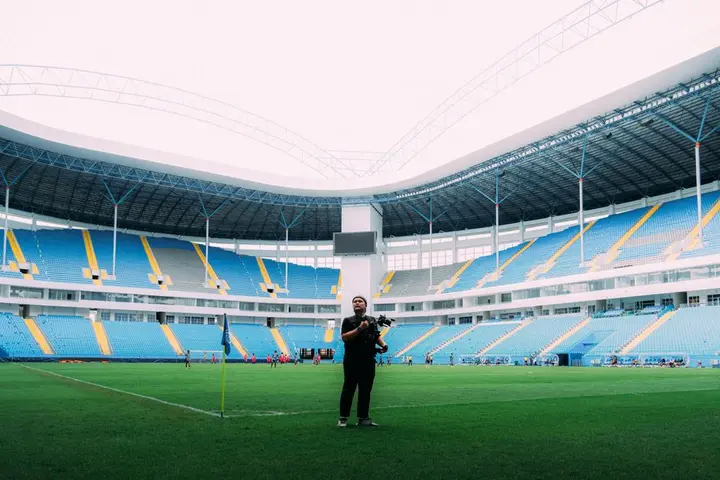
Different sports demand different camera traits. For example, fast actions benefit from high frame rates and wide fields of view, while longer-range shots may need better stabilization. Consider how you’ll mount the camera for runs, throws, or climbs.
- ☐ Choose a camera with the right frame rate for the sport's pace.
- ☐ Prefer stabilization that matches your mounting setup.
- ☐ Ensure reliable power for long sessions.
- ☐ Test the setup in similar lighting conditions before crucial events.
Think about lighting and weather resistance. Outdoor sports can push cameras to extremes of glare, dust, and moisture. A rugged case and reliable exposure control prevent wasted sessions on bad shots.
Battery life matters when sessions extend beyond a single drill. Look for models with hot-swappable batteries or efficient power use so you won’t miss key moments.
- Frame rate and FOV choices
- Weather sealing and durability
- Battery life and mounting options
- Low-light performance
Pitfalls to avoid when buying gear
Common missteps to watch for
Many buyers overpay for features they’ll never use or misjudge durability based on marketing. Real-world testing shows that price often correlates with ruggedness and long-term reliability, not just specs.
Avoid relying on a single test video from a store display. Look for objective reviews that compare real-world performance across activities like sprinting, biking, and climbing.
Pilot tests with your usual mounts and cases to confirm fit and compatibility. A camera that slides into a mount easily saves time on busy practice days.
- Overvaluing specs over practical use
- Ignoring long-term durability
- Skipping practical tests with your gear
- Forgetting compatibility with existing mounts
Frequently asked questions
Can I use any action camera for live streaming?
Most action cameras can stream or be mounted for live feeds, but reliability depends on battery life, heat management, and whether the model supports your preferred streaming platform. Choose a camera with proven endurance for longer practice sessions and a stable mount setup. Plan backups for extended events.
What’s the best way to review footage with teammates?
Set a fixed, short review window after practice, focusing on a couple of key moments. Use simple markers or comments to flag technique or timing issues, then assign one or two athletes to lead the follow-up drill. Regular, consistent reviews build shared understanding.
How do I know if a camera fits my sport?
Match frame rate, stabilization, and mounting options to your activity. Fast, dynamic sports benefit from higher frame rates and wide angles, while steady, long-range shots favor better stabilization and zoom. Test with your usual drills before committing.
Are there affordable options that still work well?
Yes. Look for cameras with balanced specs: solid stabilization, decent battery life, and easy editing tools. Save for essential accessories like mounts and protective housings, which boost durability and versatility without inflating costs.
Conclusion
A practical gear plan is built from real practice needs, not marketing hype. Start with a camera you can mount securely, then add a simple review routine that turns clips into actionable tweaks.
The right device helps you spot faults faster and keep training focused on improvements that matter, whether you race, lift, or sprint. Take notes on what features you actually use and how they affect your team’s performance, then adjust your setup accordingly.


