

8 min read · Updated: 2026-10-13
Athletes don’t just chase results; they chase time. This guide shows how a local events calendar can align training cycles, travel plans, and competition windows without overloading your schedule. You’ll learn practical steps to extract value from Basildon’s listings and turn it into smarter planning.
Whether you’re a coach, a club administrator, or a solo athlete, you’ll gain concrete methods to read calendars, filter events, and block out critical dates. The aim is to convert a public resource into a reliable planning tool that reduces last‑minute scrambles and missed opportunities.
By the end, you’ll know exactly how to check Basildon listings for races, clinics, and team activities, mark your season with intention, and communicate schedules clearly to teammates. The approach balances competitive focus with practical logistics, so you can train harder and travel smarter.
- Use Basildon’s events calendar to align training with local competitions and clinics.
- Plan around performance windows to maximize gains while avoiding fatigue.
- Coordinate with coaches and teammates to protect key sessions and travel time.
- Choose tools that fit your style, but keep a simple, repeatable process for reliability.
Basics of calendar reading
Identify relevant events
Start by scanning the calendar for events that match your sport’s rhythm, such as local races, clinics, or league dates. Note the date, location, and any registration deadlines. This helps you see the big picture and avoid double-booking practice blocks. Basildon events calendar helps you spot local races and clinics that fit your season.
- Filter events by sport and goal
- Block training around big events
- Communicate changes promptly
Look for recurring patterns—weekly runs, monthly meetups, or seasonal tournaments. Mark those on your own schedule to build a steady training cadence. This simple habit makes it easier to protect key sessions from external commitments.
Be aware of overlap risks with travel or rest days. If a major event lands on a high‑quality training window, plan a lighter cycle around it and communicate changes early.
- Scan dates within a 6‑week window
- Highlight critical deadlines
- Color‑code training vs. events
- Flag travel requirements
- Note venue changes
Extract practical data
Turn each listing into action by noting time, place, and entry costs if any. Convert that data into a calendar reminder with 24 hours’ notice for logistics. This reduces last‑minute stress and saves travel time.
Cross‑check adjacent days to avoid fatigue from consecutive events. If you’re traveling, plan recovery days after a long trip and adjust workouts accordingly.
Keep the calendar simple: a single color for competitions, another for training commitments, and a third for travel. Clarity saves minutes when you’re coordinating with teammates.
- Record date, time, venue
- Set reminders 24 hours before
- Color‑code types of events
- Schedule recovery after travel
Planning around performance windows

Link events to training goals
Match each event to your current training block. If you’re building endurance, prioritize longer races or time trials and slot practice sessions that support that goal. This keeps your season aligned with progress milestones. basildontimes.co.uk news provides complementary local context for event planning and scheduling.
- Identify target events
- Align with training blocks
- Plan travel and recovery
- Review and adjust weekly
For speed work, select events that offer a fast course or competitive field to maximize stimulus without overreaching. Reserve practice days that target technique and recovery around those aims.
Document a minimal viable week that preserves key sessions and allows travel time. This builds resilience and reduces the risk of burnout when schedules tighten.
- Pair events with mileage targets
- Choose fast vs endurance events strategically
- Reserve tempo and rest days around events
Managing conflicts
Conflicts are inevitable when multiple teams or events compete for dates. Build a simple decision framework: which event offers greater value to team goals, sponsorship exposure, or personal development?
Communicate early with coaches, teammates, and organizers to explore alternatives like alternative dates or remote participation.
Maintain a master view of all commitments to prevent overloading one week. This avoids fatigue and preserves performance quality across the season.
- Use a decision rubric
- Ask about alternate dates
- Coordinate with stakeholders
- Keep a running conflicts log
Exploring options and tools
Tools worth trying
Digital calendars with shared access help the whole team stay on the same page. Look for features like reminders, color tagging, and syncing with mobile devices to keep plans visible at all times. add your business listing in Basildon helps organizers reach athletes and teams in your area.
Standalone planning apps can offer more granular control over training blocks, travel buffers, and recovery days. Use them to model different season scenarios and pick the most robust plan.
If you prefer low tech, create a simple weekly grid on paper and transfer it to your phone as needed. The structure still matters even without advanced features.
- Shared calendars
- Reminders and tagging
- Season modeling tools
- Paper to digital transfer
| Option | Pros | Cons |
|---|---|---|
| Online calendar | Always accessible, shareable | Requires setup time and maintenance |
| Season planning app | Deep control over blocks | Can be complex to learn |
| Paper grid | Low tech and fast | No automatic updates |
Sourcing reliable local info
Local event calendars can vary in reliability. Cross‑check Basildon sources with a secondary feed to confirm dates and locations before booking travel or accommodation.
Set a habit of revisiting listings every week to capture late updates and cancellations. A short review beats missed opportunities and wasted trips.
Reach out to local clubs or event organizers if details are unclear. Direct communication reduces miscommunication and builds trust within the community.
- Verify with a second source
- Weekly calendar check
- Ask organizers for clarity
Use a simple rule: if two high‑quality sessions are scheduled in the same day, skip one and protect sleep.
Common pitfalls and how to avoid them

Overbooking and fatigue
The temptation to fill the calendar with events can backfire. Spreading yourself too thin limits recovery and impairs performance. Aim for a balanced mix of competition, training, and rest. advertise a job vacancy in Basildon can attract part-time staff for events, clinics, and venues.
- ☐ Assess weekly load
- ☐ Protect sleep
- ☐ Reschedule if needed
Use a simple rule: if two high‑quality sessions are scheduled in the same day, skip one and protect sleep. This keeps energy levels stable across the week.
Revisit your plan after every major event to adjust upcoming loads. Small tweaks prevent subtle dips in performance.
- Limit high‑quality events per week
- Protect sleep and travel time
- Post‑event plan adjustments
Missing deadlines
Late registration or venue changes can derail plans. Build a small buffer into your schedule for administrative tasks and travel adjustments.
Set automatic reminders for deadlines and confirm attendance a day before. This reduces the risk of last‑minute scrambles.
When in doubt, reach out early to organizers to clarify any ambiguous details and secure your spot.
- Create reminder chain
- Confirm a day ahead
- Ask organizers early
Seasonal adjustments
Prioritize peak competition windows
Plan around regional events that affect travel and field availability. Identify weeks with likely weather disruptions and adjust training loads accordingly. Map in at least two backup days for key sessions to protect performance momentum. place an obituary in Basildon
Use a simple calendar note to flag high-demand periods for facilities. This helps coaches allocate resources and athletes pace themselves through tough stretches.
Coordinate with opponents’ schedules to avoid back-to-back travel and fatigue. A clear calendar view reduces the risk of last‑minute changes and helps teams stay sharp.
- Check local event calendars weekly
- Mark travel-heavy weeks in red
- Schedule easy weeks after major events
- Reserve ice or turf time in advance
- Create a fallback plan for rain days
Equipment considerations
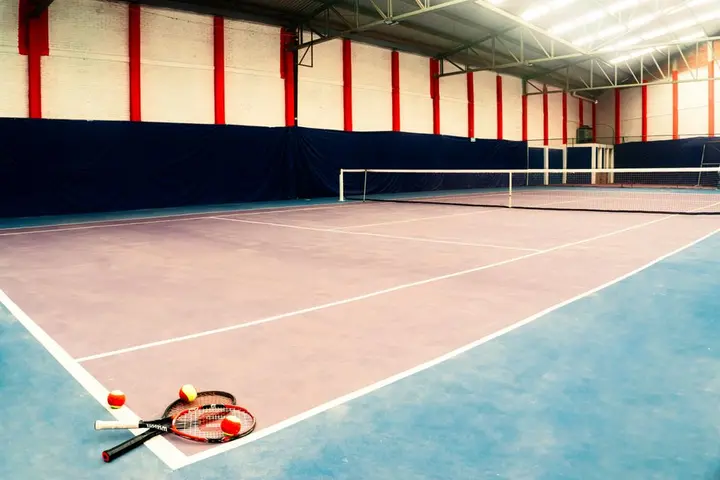
Match gear to surfaces
Different sports demand different setups for shoes, mats, or court surfaces. Verify the venue’s surface type in advance and tailor footwear and grip accordingly.
- Prepare a compact spare parts kit for travel.
- Test each critical item before the session begins.
- Label gear clearly to speed up transitions between venues.
Carry a spare set of soles or cleats for common Basildon venues to prevent last‑minute gear failures. A small gear kit with essentials reduces downtime between sessions.
Test equipment compatibility with weather conditions, as humidity and temperature can affect performance gear. Keep a maintenance log so equipment stays reliable during travel.
- Baseline gear checklist
- Venue surface notes
- Spare parts and tools
- Maintenance log
- Pre-event gear test
Team communication
Establish a central update channel
Set a single, reliable channel for schedules, changes, and reminders. This reduces confusion and keeps everyone on the same page. Include coaches, athletes, and medical staff for full visibility.
Post venue alerts, transport times, and last‑minute adjustments in plain terms. Clear messages prevent misreads that can derail a session.
Review the week’s plan in a short daily digest to reinforce priorities and push accountability across the team.
- Choose one primary communication tool
- Use brief, action‑oriented messages
- Tag people who need to take action
- Confirm receipt of critical updates
- Schedule a quick check-in each morning
Recovery and travel strategies

Plan travel with recovery in mind
Long trips disrupt sleep and nutrition. Build travel routes that minimize time zones and fatigue, and pack recovery aids like proper hydration and light mobility work.
Schedule light sessions upon arrival to re‑muscle‑activate but avoid heavy exertion that can spike soreness. A controlled re‑entry helps maintain performance curves.
Use Basildon venues’ nearby facilities for post‑travel workouts, and adjust intensities based on travel days.
- Hydration plan during travel
- Light activation routines on arrival
- Recovery meals aligned to training
- Sleep-friendly travel strategies
- Post-travel mobility sessions
Frequently asked questions
What counts as a peak period for training in relation to Basildon events calendar?
A peak period is when competition dates or notable local events limit practice time or venue access. Align training emphasis to arrive fresh for those events, while building base fitness in the gaps. The aim is to maintain consistency without overloading in crowded weeks.
How can teams avoid getting overwhelmed by travel days linked to Basildon schedules?
Plan travel with a clear, time‑efficient route and build recovery blocks into the day after arrival. Use a single information hub for transport, timing, and venue details and keep the plan simple so athletes know what to expect.
What should I do if a venue changes at the last moment?
Have a quick‑reaction plan that flips to an alternative space with similar capacity. Notify the team immediately, adjust the session structure, and keep the core training objective intact so gains aren’t lost.
How can Basildon events calendar support performance continuity?
Treat the calendar as a living document. Regularly compare planned loads with actual events and adapt quickly. Use it to protect key sessions and ensure athletes arrive rested and ready.
Next steps for practical planning
Review the current Basildon events calendar with the coaching staff and group leaders to identify gaps in the coming month. Translate those gaps into a concrete weekly plan that balances hard training with recovery windows.
Draft a two‑week rolling schedule that accommodates travel, venue availability, and match prep. Share it with the team and update daily as needed to keep everyone aligned.


