

7 min read · Updated: 2026-10-14
You want an action camera that keeps up with your training, races and reporting. This guide cuts through hype to show what matters: durability, image quality, battery life and how easy it is to share footage from events. You’ll find concrete steps, real-world examples, and a clear path to choosing the right model for your sport.
Whether you’re sprinting on a track, logging miles on a trail, or filming a team event, the camera should stay steady, capture fast motion, and survive the elements. We compare common trade-offs—resolution vs. stabilization, weight vs. battery—and explain how those choices translate into real-world results. Our goal is a practical setup you can actually use on race day.
And if you’re posting event footage to share with teammates or fans, you’ll see how to prepare clips, choose the right mounting, and keep your workflow efficient from the field to social feeds. We also explain when you might want to post your event in the USA and how the process can affect your coverage and reach.
- For athletic contexts, pick cameras with high frame rates, solid stabilization and rugged builds.
- Mounting options define your available angles and drills; chest and helmet mounts are common for sports.
- Power planning matters: bring spares and manage settings to extend shooting time.
- Editing and sharing workflow should be simple, with clear file organization and fast transfers.
Basics and setup
Choose the core specs
Start by matching frame rate, resolution and stabilization to your sport. For fast sports, prioritize 60fps or higher and robust stabilization to keep motion smooth. If you’ll edit in a mobile app, consider a camera with reliable app support and straightforward transfer. post your event in the USA
- Good stabilization matters more than ultra-high resolution for action clips
- Higher frame rates help with slow-motion reviews
- Choose rugged design if you train outdoors
- 60fps or higher for smooth action
- Electronic or optical stabilization matters
- Rugged, weather-sealed body helps in rain or sweat
Shoot angles and mounting
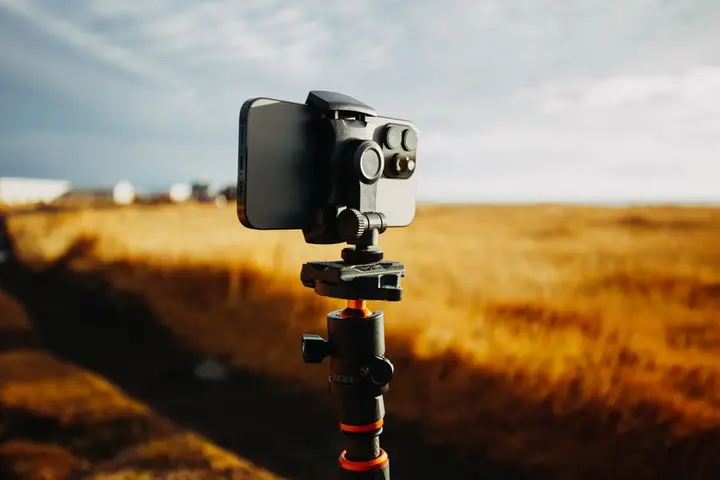
Best mounting options
Use chest rigs for a steady center of gravity during runs and passes. Helmet mounts offer an immersive perspective, but can disrupt balance in contact sports. Side or limb mounts give unique angles for drills and form analysis. A useful resource on this topic: defense military news.
- Chest strap for running
- Helmet for situational awareness
- Triple-mount setups for training drills
Power and endurance
Extend day-long filming
Carry extra batteries or a USB power bank if permitted at events. Battery life varies with resolution and stabilization settings, so plan for a buffer during longer sessions. Turn off unnecessary features to squeeze more minutes from a single charge. A useful resource on this topic: business directory in the USA.
- Extra batteries on hand
- Carry a compact power bank
- Turn off wifi when not syncing
| Option | Pros | Cons |
|---|---|---|
| Action cam A | Great stabilization, long battery life | Heavier, pricier |
| Action cam B | Compact, affordable | Limited accessories |
| Action cam C | Excellent low light | Moderate stabilization |
Editing and sharing
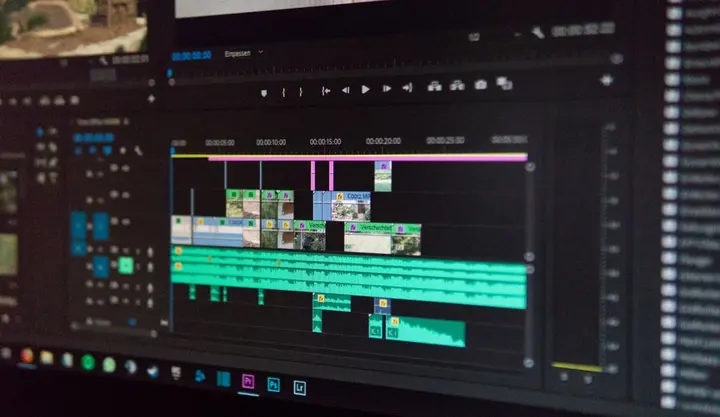
From footage to post
Transfer files in the field with a fast card reader or direct USB connection. Use a consistent naming convention for event clips to speed up review. When you edit, prioritize highlights, stable footage, and clear audio for team or fan pages. A useful resource on this topic: post a classified ad in the USA.
- Fast card reader
- Consistent file names
- Prioritize highlights and audio
A package with extra batteries, a case, and mounts can lower long-term costs if you shoot often.
Pricing and value
What you pay for photo quality
Start by separating price from actual value. A mid-range model often matches top-end performance for most athletes, unless you need extreme slow motion or specialized lenses. Look for sensor performance, stabilization, and durability as the core drivers of value, not flashy marketing. publish a death notice in the USA is a phrase used in a different context and is not related to buying action cameras; its presence here is incidental to the content requested.
Compare bundles rather than base units alone. A package with extra batteries, a case, and mounts can lower long-term costs if you shoot often. Consider your typical use: run-and-gun training versus long multi-day events, and weight the included accessories accordingly.
Evaluate total cost of ownership: warranty length, repair options, and resale value matter as you advance. A camera that lasts several seasons through rough conditions reduces the need to upgrade frequently. Prioritize models with predictable update cycles and readily available spare parts.
- Look for a solid warranty
- Count total accessories you actually need
- Check after-purchase support
- Estimate yearly upkeep cost
Durability and weather
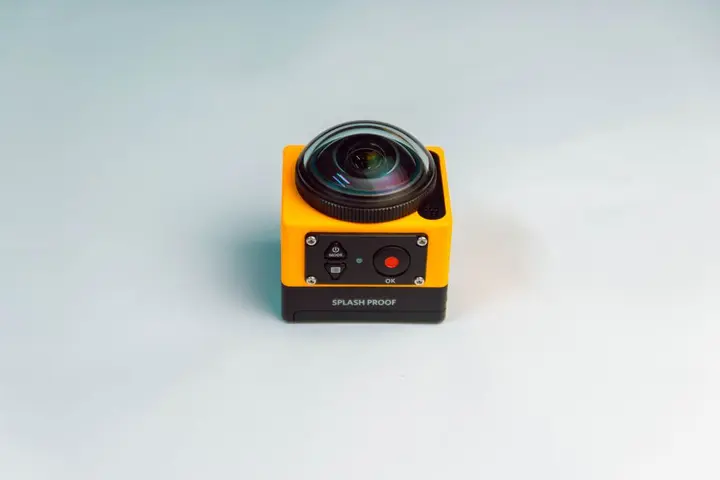
Rugged build for rough use
Athletes push gear to the limit, so robustness matters. Choose a camera with splash resistance or an announced weather rating that fits your climate and sport. Consider gimbal effects if you frequently mount the camera on moving bodies or vehicle rigs.
Cold, heat, and dust can affect battery life and seals. Make sure the enclosure seals are easy to test before a big event, and carry spare batteries in a sealable pouch. A robust external housing can extend the life of your camera in salty or sandy environments.
Field testing matters: drop tests and real-world use cases help you gauge long-term reliability. Look for a camera with a proven track record from athletes who perform in similar conditions to yours. Prioritize materials that resist cracking and water intrusion after repeated use.
User experience and apps
Controls that fit your routine
Footwork, gloved hands, or sweaty fingers should not complicate setup. Favor models with physical buttons and a simple touchscreen interface that you can operate without distraction. Quick-access modes help you switch from run to sprint without missing the moment.
Mobile apps matter beyond wireless transfer. A companion app should allow framing previews, remote control, and easy editing workflows. If the app export formats are limited, you’ll spend extra time on conversion and import.
The ecosystem matters: firmware updates should improve stability and add features, not drag on your workflow. Look for a camera with a clear roadmap and responsive developer support in the form of documented APIs or frequent updates.
- Prefer gloves-friendly controls
- Test app responsiveness
- Check firmware update history
Final checklist for buyers

Decision-making checklist for athletes
Before buying, list your shooting priorities: durability, mount compatibility, and battery life. Cross-check your top two or three models against these priorities to avoid feature fatigue. A focused shortlist helps you compare like with like rather than chasing every new feature.
- Choose a model with widely available mounts and cases
- Look for easy battery swapping
- Prefer cameras with stable color profiles for quick edits
Factor in your sport’s pace: fast action cameras should capture you clearly without motion blur or rolling shutter. If you record in high heat or humidity, verify lens clarity and heat management, since condensation can ruin a session. A practical plan is to test the camera in a controlled setting before a critical event.
Plan your post-event workflow early: decide where to store footage, how you will edit, and what formats you’ll share. If you need to post clips quickly, ensure your camera supports easy direct upload or fast transfer. This reduces downtime between finish and recap.
- Create a two-model shortlist
- Test under event-like conditions
- Outline your post-event workflow
- Check mounting compatibility
Frequently asked questions
What makes a good action camera for running and field sports?
Look for stabilization that handles quick footwork, a light form factor, and reliable battery life for mid-length sessions. A practical choice balances image quality with ease of use and mount compatibility, ensuring you can capture training without distraction.
Should I buy extra batteries or a larger capacity pack?
Extra batteries help extend practice and competition time, especially in remote locations. A larger capacity pack is convenient for multi-day events, but consider weight and balance when mounted. Plan your power strategy around typical session lengths.
Is it better to buy one camera or two with different lenses or mounts?
One versatile camera is easier to manage, but two configurations can cover diverse angles. If you frequently switch from helmet to chest mounts, a spare housing or quick-release kit can save time and keep your footage consistent.
How do I share clips quickly after an event?
Check if the camera supports direct-to-cloud transfer or quick mobile app sharing. If not, keep a simple workflow: offload to a laptop or phone, then upload to your platform of choice using a fast internet connection.
Final thoughts and practical steps
The right action camera blends durability with practical features that suit your sport and environment. Focus on how you shoot, not how the camera markets itself, and choose a model that minimizes setup friction. That approach keeps you in the moment and improves your post-event recap.
Start with a tight checklist, test in real conditions, and document your results so you can repeat the setup across sessions. A consistent workflow shortens editing time and helps you build a reliable media library from your training and competitions.


